

Revolutionizing the Paper Industry: The Future of Napkin Machines
2025-06-14
1. Introduction to Napkin Machines and Their Importance
The paper industry plays a crucial role in our daily lives, providing us with essential products such as napkins, tissues, and packaging materials. Among these, **napkin machines** are particularly significant, as they streamline the production of napkins that are used in restaurants, homes, and various events. With the growing demand for hygiene products and the push for sustainability, the future of napkin machines is poised for a revolution.
As we delve deeper into this topic, we will explore the technological advancements, sustainability efforts, and market trends that are reshaping the landscape of napkin manufacturing. This article aims to provide a comprehensive overview, catering to manufacturers, investors, and enthusiasts in the paper industry.
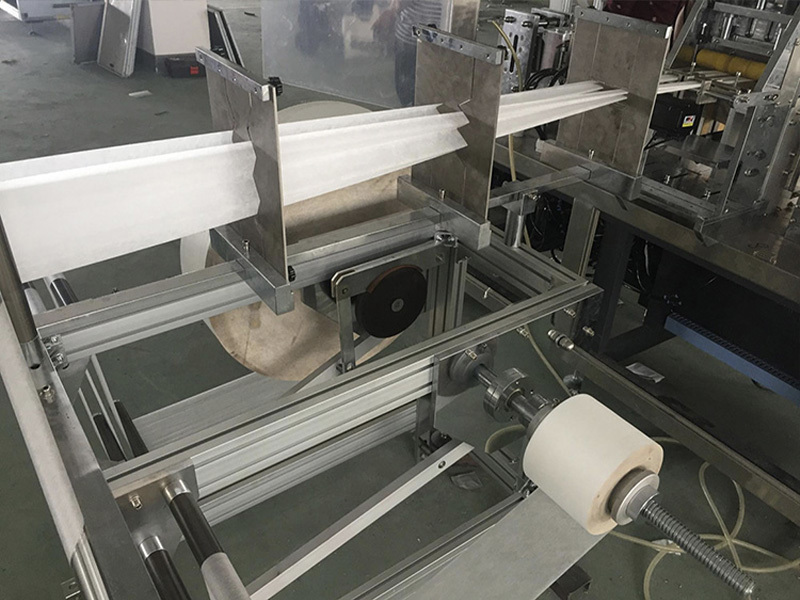
2. A Brief History of Napkin Machines
The journey of napkin machines began in the early 20th century when manual production methods were common. The initial machines were rudimentary, producing paper products in low volumes and with limited quality. As demand increased, manufacturers sought ways to enhance efficiency.
The invention of automatic napkin machines in the 1950s marked a turning point. These machines significantly improved production speed and quality, allowing for the mass production of napkins. Over the decades, advancements in technology have led to computer-controlled machines that offer precision, efficiency, and customization.
3. Cutting-Edge Technologies in Napkin Production
The evolution of napkin machines has been driven by several **cutting-edge technologies**:
3.1 Automation and Robotics
Automation has revolutionized the operational capabilities of napkin machines. With robotics integrated into production lines, manufacturers can achieve higher accuracy and reduce labor costs. Automated processes minimize human error and enhance safety in the production environment.
3.2 Digital Printing Technologies
The shift from traditional printing methods to **digital printing technologies** has enabled manufacturers to produce customized napkins with intricate designs and branding. This flexibility caters to diverse consumer preferences, making it a popular choice for businesses.
3.3 Eco-Friendly Materials
The development of eco-friendly materials has become a significant focus in napkin production. Manufacturers are increasingly utilizing recycled paper and sustainable sourcing methods, reducing the ecological footprint of their products.
3.4 Smart Sensors and IoT Integration
The Internet of Things (IoT) has found its way into napkin machines, allowing for real-time monitoring and data collection. Smart sensors help in tracking machine performance, predicting maintenance needs, and optimizing production processes.
4. Sustainability in the Paper Industry: The Role of Napkin Machines
Sustainability is a pressing concern for industries worldwide, and the paper sector is no exception. Napkin machines can play a pivotal role in promoting sustainable practices:
4.1 Reducing Waste
Modern napkin machines are designed to minimize waste during production. Efficient cutting and folding mechanisms ensure that materials are used optimally, reducing scrap and excess.
4.2 Utilizing Recycled Paper
The shift towards using recycled paper in napkin production not only conserves resources but also reduces energy consumption. By embracing circular economy principles, manufacturers can contribute to environmental sustainability.
4.3 Lower Energy Consumption
Advancements in machine technology have led to energy-efficient designs that consume less power during operation. This reduction in energy usage translates to lower operational costs and a smaller carbon footprint.
5. Current Market Trends and Future Projections
The paper industry, particularly in the napkin sector, is influenced by various market trends:
5.1 Growing Demand for Hygiene Products
The COVID-19 pandemic has heightened awareness regarding hygiene, leading to an increased demand for disposable products like napkins. This trend is expected to persist as consumers prioritize cleanliness.
5.2 Customization and Branding
Businesses are increasingly looking for ways to differentiate themselves in a competitive market. Customized napkins with unique designs and branding are becoming a popular promotional tool, enhancing brand visibility.
5.3 E-commerce Expansion
Online shopping has transformed how consumers purchase paper products. The rise of e-commerce platforms has opened new avenues for napkin manufacturers to reach broader audiences, facilitating direct-to-consumer sales.
5.4 International Market Growth
Emerging markets in Asia and Africa present significant growth opportunities for napkin manufacturers. As disposable income rises in these regions, the demand for hygiene products is expected to soar.
6. Benefits of Modern Napkin Machines for Manufacturers
Investing in modern napkin machines offers various advantages for manufacturers:
6.1 Increased Production Efficiency
With advanced automation and technology, modern napkin machines can operate at higher speeds, increasing overall production efficiency. This efficiency allows manufacturers to meet growing market demands without compromising quality.
6.2 Quality Control
Modern machines come equipped with advanced quality control features, ensuring that every napkin produced meets stringent standards. Consistent quality helps build brand reputation and customer loyalty.
6.3 Cost-Effectiveness
Although the initial investment in advanced machinery may be significant, the long-term savings in labor costs, waste reduction, and energy consumption make it a cost-effective choice for manufacturers.
7. Challenges Facing the Napkin Machine Industry
Despite the advancements, the napkin machine industry faces several challenges:
7.1 Supply Chain Disruptions
Global events, such as pandemics and geopolitical tensions, can disrupt supply chains, affecting the availability of raw materials and components needed for manufacturing.
7.2 Competition from Alternatives
The growing popularity of reusable products poses a challenge to the napkin industry. Manufacturers must adapt to changing consumer preferences by highlighting the convenience and hygiene benefits of disposable napkins.
7.3 Regulatory Compliance
As sustainability becomes a priority, manufacturers must navigate complex regulations regarding material sourcing and waste disposal. Staying compliant can be resource-intensive and requires ongoing investment.
The future of napkin machines is bright, characterized by innovation, sustainability, and adaptability to changing market demands. As we embrace advanced technologies and environmentally-friendly practices, manufacturers can revolutionize how napkins are produced, benefiting both businesses and consumers. By investing in these advancements, the paper industry will not only meet the growing demand for hygiene products but also play a critical role in fostering a sustainable future.
RECOMMEND NEWS
Sorry, no data available...






CONTACT
EMAIL:
Factory Address:
North of Provincial Highway 002 in the middle of Guhuang Line, Xiangyun Town, Wen County, Jiaozuo City, Henan Province, China
Operation Center:
501, Block A, Tenghe Building, University Science and Technology Park, Zhengzhou Hi-Tech Zone, Zhengzhou City, Henan Province, China

IMESSAGE
We are heppy to solve problems for customers
We will contact you within 2h after receiving your message
Copyright © 2025 Henan Fuyuan Machinery Manufacturing Co., Ltd.